Abstract Animal Skin Patterns: Precision, Versatility, and Real-World Usability
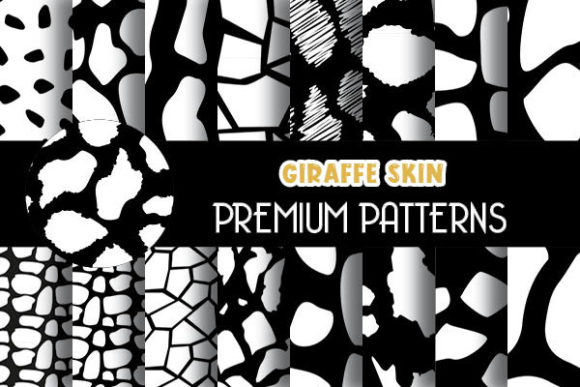
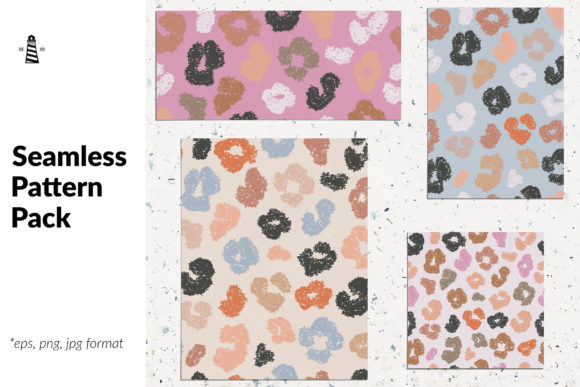
Abstract Animal Skin Patterns offer a sophisticated fusion of organic texture and modern design—especially when executed with the care of hand-painted authenticity. Unlike generic digital filters or low-resolution stock repeats, truly refined patterns like this hand-drawn leopard skin seamless set deliver visual richness that holds up across scales, surfaces, and applications—from luxury textile prints to crisp web backgrounds.
Why Designers Reach for Hand-Painted Leopard Skin—And Why It Matters
Leopard motifs carry instant visual impact: bold contrast, rhythmic variation, and natural asymmetry. But not all leopard patterns behave the same way in production. Mass-generated “animal print” assets often suffer from flat color gradients, rigid repetition, or pixelated edges—flaws that become glaring on large-format wallpaper or embroidered fabric. This particular collection stands apart because every motif was carefully hand drawn, then vectorized without losing nuance: subtle tonal shifts in the rosettes, organic edge softness, and intentional irregularity that mimics real fur—not algorithmic mimicry.
That attention translates directly into usability. When you scale a 12×12 inch, 300 dpi pattern tile, vector fidelity ensures razor-sharp clarity at any size. Whether you're printing a 10-foot event backdrop or sizing down for a greeting card border, the integrity remains intact—no blurring, no moiré, no unexpected gaps at tile seams.
Mistake #1: Assuming “Seamless” Means Universally Compatible
Not all seamless patterns tile cleanly across software platforms—or real-world substrates. Some rely on subtle transparency tricks that break in older versions of Illustrator or misalign when imported into Canva or Cricut Design Space. This set includes 8 EPS and 8 AI files, each pre-tested for compatibility with Adobe CC (2020–2024), ensuring consistent tiling behavior whether you’re building a repeating swatch library or exporting for print production.
Better approach: Before committing to a pattern for client work, test one tile in your actual workflow: place it in a new document, duplicate and offset by exact inches, and zoom to 400% to check for micro-gaps or color shifts at the seam line.
Mistake #2: Overlooking File Format Limitations for Specific Uses
Need a transparent overlay for a product mockup? PNG is ideal—but only if it’s truly alpha-channel clean. Low-quality exports often leave faint halos or anti-aliased fringes around rosettes, which ruin professional composites. This collection delivers 8 PNG files with fully transparent backgrounds, meticulously cleaned and verified against white and black layers.
Conversely, JPGs are great for web previews or quick client shares—but they’re lossy. Relying solely on JPGs for final print prep can cost you color accuracy and fine detail. That’s why this set includes both: high-fidelity JPGs for fast review, and production-ready vector and PNG options for execution.
Mistake #3: Ignoring Scale Context in Pattern Application
A 12×12 inch tile sounds generous—until you realize your wallpaper roll requires a 27-inch vertical repeat, or your fabric bolt needs a 36-inch horizontal match. Abstract Animal Skin Patterns gain strength from their rhythm, but that rhythm must align with your physical medium. This set’s consistent 12×12 dimension makes scaling predictable: double it for bold statement walls, halve it for delicate stationery, or use it as-is for standard gift wrap layouts.
Realistic example: A small-batch candle brand used a similar pattern at full 12×12 scale on matte kraft labels—only to find the rosettes overwhelmed the minimalist typography. Switching to a 6×6 scaled version (easily derived from the vector source) restored balance without sacrificing texture.
What to Verify Before You Download or License
- Vector integrity: Open one AI file and ungroup elements. Are rosettes built as compound paths or layered shapes? This set uses clean, editable vectors—no embedded raster bits—so you can adjust stroke weights, recolor individual clusters, or isolate warm/cool undertones.
- Color model consistency: All files are provided in CMYK and RGB variants (clearly labeled), avoiding last-minute conversion surprises when moving from screen to press.
- Tile alignment precision: Zoom into the corners of any EPS file—the top-right corner of one tile should perfectly mirror the bottom-left of its neighbor. No guesswork, no manual nudging.
- Usage scope clarity: These files support commercial use—including resale on physical goods like notebooks or apparel—without requiring extended licenses. Always confirm permissions, but here, flexibility is built-in.
Where This Collection Shines—Beyond the Obvious
Yes, it works beautifully on textiles and wallpaper. But consider less obvious strengths: the organic variation makes it an excellent base for data visualization textures (e.g., layered under semi-transparent charts), a tactile anchor for brand storytelling websites, or even a subtle grunge layer beneath clean sans-serif type in editorial layouts. Educators have adapted the rosette shapes into custom math pattern exercises; freelancers use the PNGs as non-distracting background layers in video call thumbnails.
The key is treating Abstract Animal Skin Patterns not as decoration, but as a design system component—one with inherent rhythm, contrast, and warmth that supports rather than competes with content.
Final Thought: Quality Isn’t Just About Looks—It’s About Workflow Confidence
You don’t need more patterns. You need the right ones—assets that behave as expected, adapt without friction, and retain their character across contexts. With 100% vector art, hand-crafted authenticity, and delivery formats matched to real production needs, this leopard skin seamless set removes guesswork. No re-tracing, no upscaling compromises, no format-related delays before launch.
If you’re evaluating options, ask: Does it give me control—or just convenience? Does it scale with my ambition, not just my current project? That’s the quiet value in choosing thoughtfully built Abstract Animal Skin Patterns over anything templated or automated.